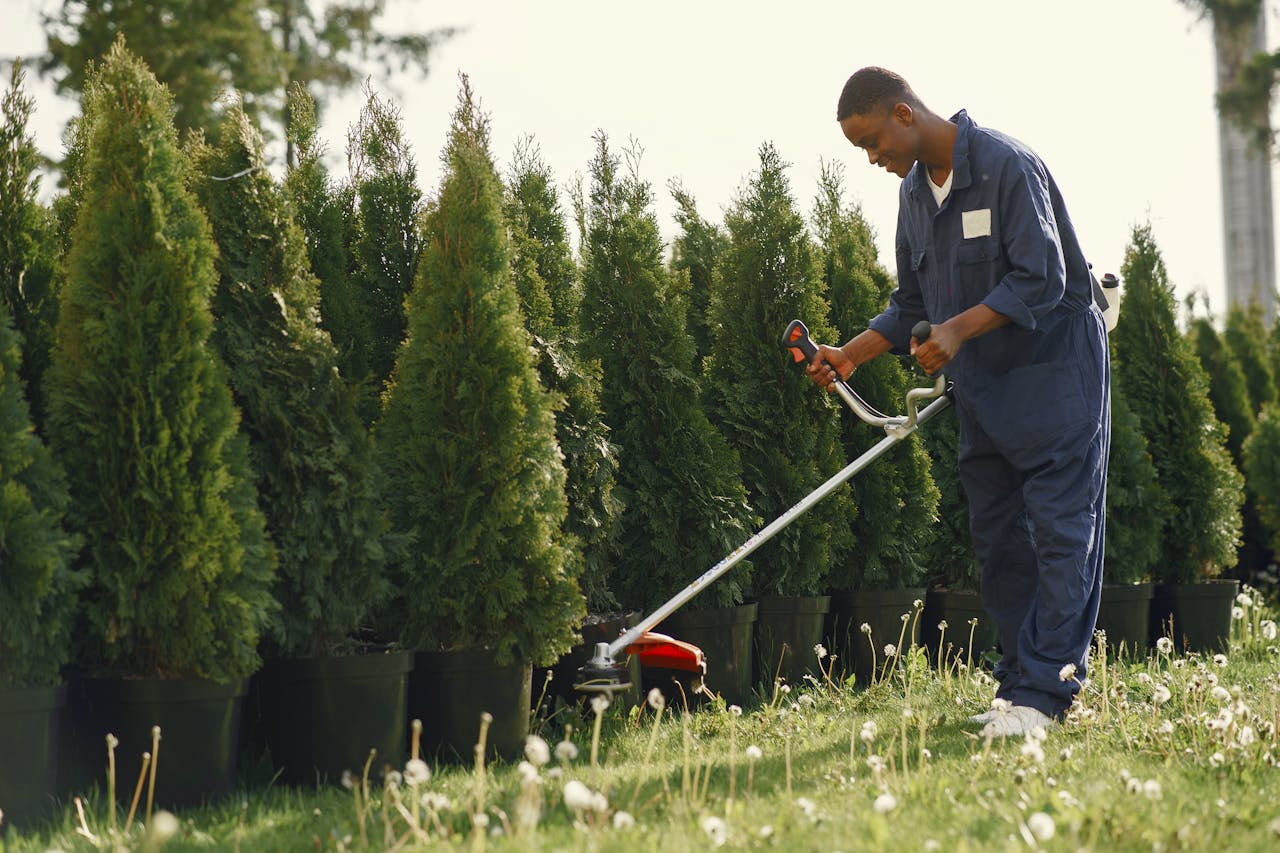
Weekend gardening chores often consume the entire Saturday and Sunday, leaving very little time for actual relaxation. Many homeowners spend hours pulling weeds, trimming overgrown bushes, and managing messy lawns instead of enjoying the warm weather. Adopting smart strategies makes outdoor maintenance manageable and quick.
Map Your Design First
A disorganized yard creates extra chores every single week. Spending hours fixing random patches of grass or moving misplaced plants wastes your precious free hours. Planning the yard layout properly cuts down on future maintenance tasks.
A published research guide stated that developing a master plan saves time and money. This organized approach creates a design that succeeds over the long term. Clear pathways and distinct garden beds mean less time spent guessing where to prune or dig.
Upgrade Your Mowing Equipment
Mowing the grass takes up the largest chunk of your weekend schedule. Old or inefficient tools slow down the process and require frequent repairs. Upgrading to reliable tools streamlines this repetitive chore.
Investing in dependable options such as the WORX push lawn mowers cuts your grass cutting time in half. These modern tools glide through thick turf smoothly and require minimal upkeep. Choosing efficient gear gives you back hours of free time every single Saturday.
Switch to Low-Maintenance Ground Cover
Traditional grass lawns demand constant watering, mowing, and fertilizing to stay green. Replacing parts of your yard with alternative covers reduces the overall workload. These hardy alternatives look great without constant attention.
- Clover requires no mowing and stays green all summer long.
- Creeping thyme adds color and spreads naturally across open soil.
- Wood chips suppress weeds and protect plant roots from drying out.
Selecting these choices stops the endless cycle of weekly trimming. Your yard stays attractive even during dry summer spells.
Install Simple Perimeter Edging
Grass constantly creeps into flower beds and stone pathways, creating a messy appearance. Pulling these stray blades by hand ruins a peaceful morning. Installing permanent borders blocks grass roots completely.
Plastic or metal edging creates a physical barrier that stops spreading roots. Your mower wheels can ride right along the edge, eliminating the need for separate string trimming. This simple boundary keeps the yard neat with zero daily effort.
Eliminate Standing Water Spots
Mosquitoes and pests thrive in wet areas, making outdoor work miserable and slow. Swatting bugs distracts you from completing yard tasks quickly. Fixing low spots in the yard keeps the environment comfortable and healthy.
A public safety piece revealed that female mosquitoes can utilize a water source as minimal as a bottle cap to lay their eggs. Emptying birdbaths and filling dips in the dirt eliminates these breeding zones. A bug-free yard allows you to finish your work without constant interruptions.
Choose Perennial Plants
Planting annual flowers means repeating the exact same digging process every single spring. These temporary varieties die off at the first frost, leaving empty dirt beds. Switching to permanent plants saves hours of labor over the seasons.
Perennials grow back bigger and stronger every year without your intervention. You plant them once, add a little mulch, and enjoy the blooms for years. This single choice removes hours of planting work from your spring schedule.
Group Your Plants by Water Needs
Hose dragging across the yard consumes a massive amount of weekend time. Watering thirsty flowers while drowning desert plants harms your greenery. Grouping plants with identical needs streamlines the irrigation process.
Placing thirsty shrubs together allows you to water one specific zone quickly. Drier plants can sit on the edges of the property and rely on natural rainfall. This smart arrangement keeps your vegetation thriving while conserving water.
- Keep moisture-loving ferns near the outdoor spigot or rain barrel.
- Place drought-resistant shrubs near the sunny edge of the property.
- Use automated timers to water specific zones while you sleep.
Utilize Heavy Mulching Layers
Bare soil invites weed seeds to sprout immediately after a rain storm. Plucking these invaders takes hours of bending and kneeling. A thick layer of organic mulch blocks the sunlight that weeds need to grow.
Three inches of shredded bark keep the soil cool and damp. This protective blanket means you water less frequently and rarely pull weeds. The barrier decomposes over time, feeding your soil automatically.
Select Durable Native Species
Hardy regional vegetation adapts perfectly to your local climate and soil conditions. These choices survive harsh weather patterns without needing extra shelter or special chemical fertilizers. Local plants naturally resist common backyard diseases and local insects.
Native shrubs require much less attention than delicate exotic imports. They develop deep root systems that find water far below the surface. This deep growth minimizes the need for supplemental watering sessions during heat waves.
Maintaining a beautiful yard does not mean sacrificing every weekend to hard labor. Implementing these simple adjustments leaves plenty of time for barbecues and relaxation. Smart planning transforms outdoor chores into a quick, rewarding routine.
Related Articles:
– 12 Benefits of Having Plants in Your House
– 10 Things to Know Before You Retire
– 12 Things You Need to Consider When Moving To a New Home
– 5 Ways to Know that your Drinking Water at Home is Safe