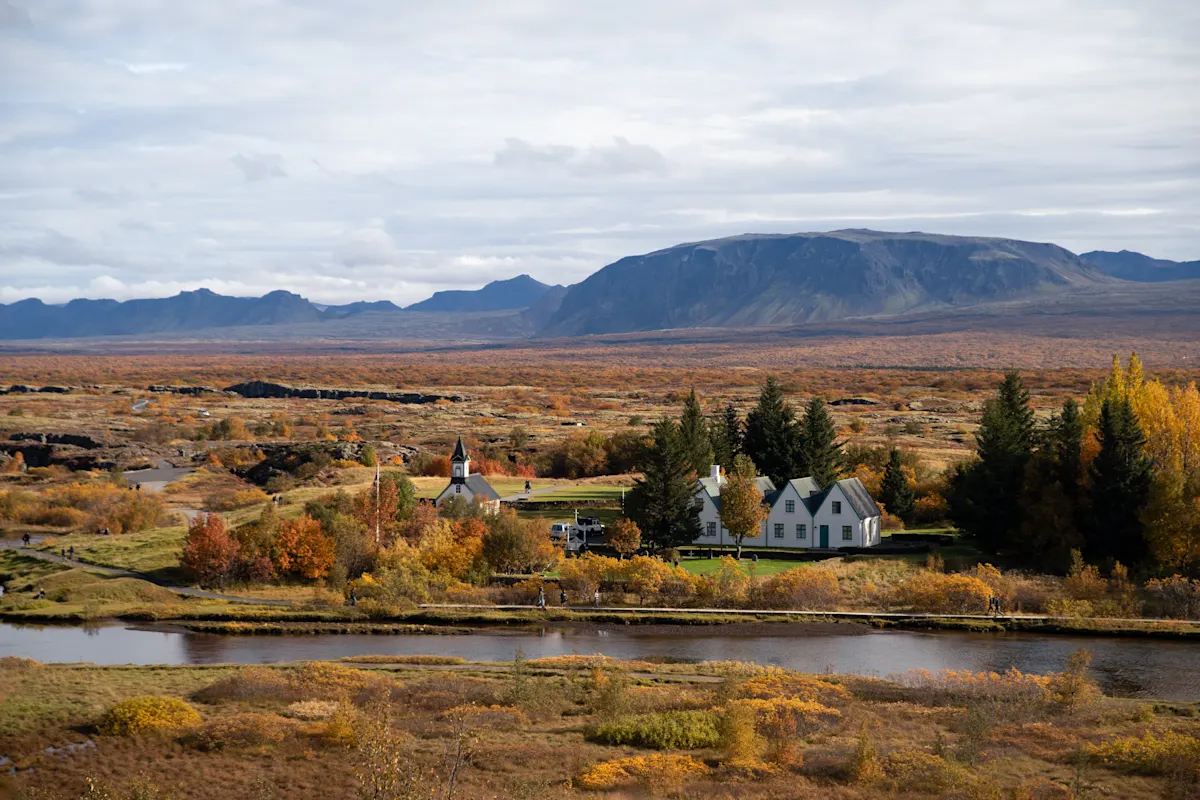
There is something undeniably enchanting about autumn in Iceland. As September rolls in, the subarctic wilderness sheds its vibrant summer green and embraces a rich palette of burnt orange, deep crimson, and shimmering gold. The crisp autumn air carries a refreshing chill, glacier-fed rivers contrast dramatically against mossy basalt fields, and the return of dark night skies signals the revival of the mystical Northern Lights. Visiting Iceland during fall offers travelers the ultimate sweet spot: fewer tourist crowds at iconic sites, majestic low-angle sunlight perfect for photography, and comfortable daytime temperatures that make outdoor exploration a joy.
To truly unlock the best seasonal destinations without the hassle of navigating unpredictable weather or icy morning roads, booking curated day tours in Iceland with BusTravel Iceland is the most reliable way to travel. With decades of local expertise, their modern coaches effortlessly connect you to the island’s top autumn hotspots—from the fiery foliage of the rift valley to the misty waterfalls of the South Coast. Guided bus excursions eliminate the stress of seasonal driving, allowing you to relax in warm, elevated comfort while expert local guides share the stories, legends, and geological secrets behind every passing landscape.
Top Autumn Destination Highlights:
- Þingvellir National Park. Witness the birch forests and tundra vegetation inside the continental rift turn stunning shades of red and gold.
- The South Coast Waterfalls. Experience the thundering spray of Seljalandsfoss and Skógafoss surrounded by dramatic, moody autumn skies.
- Snæfellsnes Peninsula. Known as “Iceland in Miniature,” this region offers volcanic craters, sea stacks, and glacier views framed by crisp fall foliage.
1. Premier Autumn Destinations You Can’t Miss
While Iceland is spectacular year-round, certain destinations reach their absolute peak aesthetic during the fall months:
Þingvellir National Park & The Golden Circle
As part of the world-famous Golden Circle, Þingvellir (Thingvellir) National Park transforms into a colorful tapestry during September and October. Walking between the North American and Eurasian tectonic plates surrounded by golden birch trees is an unforgettable experience. Paired with the boiling steam of the Geysir Geothermal Area and the rainbow-crowned waters of Gullfoss Waterfall, this route is autumn’s ultimate classic.
The South Coast & Black Sand Beaches
Iceland’s southern shoreline is famous for its dramatic contrasts, which become even more pronounced in fall. The misty veils of Seljalandsfoss and Skógafoss cascade against dark basalt rock face, while the basalt columns and roaring ocean waves at Reynisfjara Black Sand Beach create a captivating, cinematic backdrop under moody autumn clouds.
Snæfellsnes Peninsula
Often called “Iceland in Miniature,” Snæfellsnes packs glaciers, lava fields, black beaches, and charming fishing villages into one compact peninsula. Autumn brings striking light to the iconic Kirkjufell Mountain (“Church Mountain”), making it a bucket-list destination for photographers.
The Glacial Majesty of Vatnajökull & Jökulsárlón
Extending your autumn itinerary further southeast leads to one of Iceland’s undisputed crown jewels—the Jökulsárlón Glacier Lagoon. In early fall, massive icebergs sheared from the Vatnajökull ice cap shimmer in shades of electric blue and bright white against the soft, low-angled autumn sunlight before drifting out to the famous Diamond Beach. The surrounding Skaftafell Nature Reserve transforms into a vibrant tapestry of golden dwarf birch trees set against towering ice walls, offering world-class hiking conditions with crisp air, clear trails, and far fewer crowds than during the peak summer months.
2. Uniquely Autumn Experiences: Thermal Baths & Aurora Chasing
Autumn in Iceland is not just about scenic drives; it’s about embracing experiences that warm the body and ignite the imagination. After a cool day exploring windswept lava fields, nothing beats soaking in a geothermal hot spring—like the Secret Lagoon or Hvammsvík—followed by an evening bus hunt for the Northern Lights.
As darkness returns to the subarctic sky, the Aurora Borealis season officially wakes up. Guided autumn night tours utilize advanced weather forecasting to drive you out of Reykjavík’s city lights and into clear-sky wilderness zones where the green solar ribbons dance across the heavens.
Visiting during September and October also offers a rare glimpse into authentic Icelandic countryside culture through Réttir—the traditional autumn sheep and horse roundup. Watching local farmers on horseback herd thousands of animals down from high mountain pastures is a centuries-old spectacle that connects travelers to the island’s deep agrarian roots. After a brisk day spent outdoors soaking in cultural traditions or trekking across lava fields, nothing compares to easing into the mineral-rich waters of a geothermal lagoon, where warm steam rises into the chilly twilight as you wait for the Northern Lights to appear overhead.
3. Why Guided Bus Excursions Beat Renting a Car in Fall
While autumn travel avoids the deep freezes of winter, North Atlantic weather during the seasonal transition remains notoriously unpredictable.
- Fall weather can turn from bright sunshine to heavy rain or sudden sleet in a matter of minutes. Professional drivers handle coastal winds and changing road surfaces with ease.
- As autumn days shorten, timing is everything. Guided itineraries are meticulously planned to ensure you reach major landmarks during peak daylight hours.
- Modern coaches feature large panoramic windows and climate control, offering a warm refuge when you need to thaw out after walking near glacial waterfalls.
FAQ – Frequently Asked Questions
1. Which autumn month is best for visiting Iceland?
September and October are widely considered the best autumn months. September offers milder temperatures, vibrant fall foliage, and reasonable daylight hours paired with dark nights for Northern Lights hunting. October brings a slightly cooler atmosphere with higher chances of seeing the Aurora, along with beautiful moody autumn landscapes.
2. How cold does it get in Iceland during the autumn season?
Autumn temperatures in Iceland typically range between 2°C and 10°C (36°F to 50°F). While it is generally milder than mid-winter, strong ocean winds and sudden downpours can make it feel cooler, so wearing windproof and waterproof layers is essential.
3. What should I wear on a fall day tour in Iceland?
Dress in functional layers:
- A moisture-wicking thermal base layer.
- A fleece, wool, or light down mid-layer for warmth.
- A 100% windproof and waterproof outer jacket.
- Sturdy, waterproof hiking boots with good ankle support.
- A warm beanie, gloves, and a cozy neck gaiter.
Related Articles:
– The 8 Elements of Travel
– The Future of Luxury Travel: A Glimpse of What’s To Come
– Everything You Need to Know About Travelling
– Paris Travel Guide – Best Things To Do in Paris
– How to Explore Flathead Lake Like a Montana Local
– A Quick But Fun-Filled Singapore Itinerary for the Whole Family
– 10 Things to Know Before You Retire