Aluminum has been used in aerospace, automotive, and marine engineering for generations — prized for its exceptional strength-to-weight ratio, corrosion resistance, and longevity. It should come as no surprise that aluminum has also emerged as one of the most technically superior materials available for residential roofing. Yet many homeowners remain unfamiliar with what aluminum roofing systems actually offer, how they compare to steel and asphalt alternatives, and what to look for when evaluating a purchase.
This guide covers everything you need to know.
Why Aluminum Outperforms Steel and Asphalt for Residential Roofing
Steel is the most common metal used in residential roofing, but it comes with a fundamental limitation: it rusts. Steel roofing products rely on zinc or zinc-aluminum coatings (galvanized or Galvalume) to prevent corrosion, and while these coatings are effective, they are not permanent. In coastal environments — Florida, the Carolinas, British Columbia, Atlantic Canada — salt air accelerates coating degradation, and steel roofs in these regions can show rust within 10 to 20 years.
Aluminum does not rust. It forms a natural oxide layer that actually protects the underlying metal from further corrosion, making it inherently superior in coastal, humid, and high-rainfall environments. For homeowners in the Pacific Northwest, New England, Ontario, or anywhere along the Atlantic or Gulf coasts, aluminum is the technically correct choice.
Compared to asphalt, the advantages are even more pronounced. Asphalt shingles are petroleum-based, degrade under UV exposure, absorb moisture, and typically require replacement every 15 to 25 years. Aluminum roofing systems, by contrast, are engineered for 50-year service lives and beyond.
Key Technical Specifications to Evaluate
When comparing aluminum roofing products, these are the specifications that matter most:
1. Alloy and Gauge
Not all aluminum is the same. Roofing-grade aluminum alloys (typically 3000 or 5000 series) offer significantly better strength and corrosion resistance than lower-grade alternatives. Gauge (thickness) affects both structural performance and impact resistance — thicker gauges perform better under hail and wind loads.
2. Coating System
The coating applied over the aluminum substrate determines color retention, UV resistance, and long-term appearance. Factory-applied coatings like Alunar® — engineered specifically for aluminum roofing — provide superior adhesion and durability compared to generic PVDF or polyester finishes. Look for coatings with documented fade and chalk resistance ratings.
3. Impact Resistance
Hail damage is one of the leading causes of insurance claims for residential roofing in the United States and Canada. The UL 2218 standard tests roofing products against steel ball impacts at increasing sizes; Class 4 is the highest rating and indicates the product can withstand 2-inch diameter hailstones without cracking or splitting. For homeowners in the Midwest, Alberta, or any hail-prone region, Class 4 certification should be a non-negotiable specification.
4. Fire Rating
Aluminum is non-combustible. Premium aluminum roofing systems carry Class A fire ratings — the highest available under ASTM E108 — providing maximum protection against fire spread from external sources such as wildfire embers. This is particularly relevant for homeowners in the Pacific Northwest, California, and other wildfire-risk regions.
5. Warranty Structure
A lifetime warranty sounds impressive, but the details matter. Key questions: Is the warranty transferable to a new owner? Does it cover both material and labor? Are there exclusions for specific weather events or installation errors? A transferable, comprehensive 50-year warranty adds documented resale value to the property and signals genuine manufacturer confidence.
Profile Options: Aesthetics Without Compromise
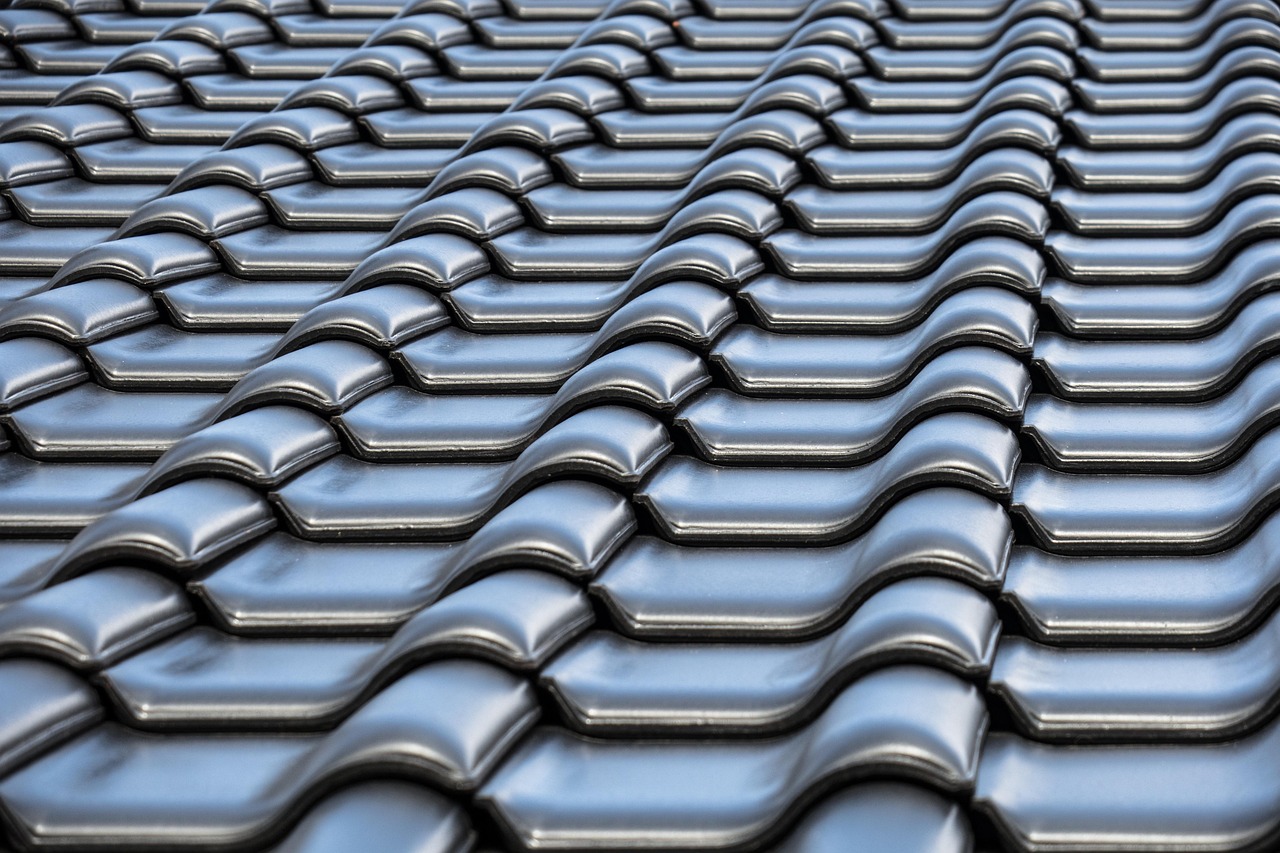
One of the most common misconceptions about metal roofing is that it looks industrial or utilitarian. Modern aluminum roofing systems are available in a wide range of profiles that replicate the appearance of traditional roofing materials — slate, cedar shake, cedar shingle, Mediterranean tile, and standing seam — with far greater precision than composite or synthetic alternatives. Color options have expanded significantly, with factory-applied coatings available in dozens of architectural shades.
Installation Considerations
Aluminum roofing requires installation by contractors trained specifically in metal roofing techniques. Thermal expansion coefficients differ from steel and asphalt, requiring specific fastening systems and allowances. Flashing details at valleys, ridges, and penetrations must be executed correctly to prevent water infiltration. Choosing a manufacturer that provides certified installer training — or that manages installation directly — is the most reliable way to ensure the system performs as warranted.
Is Aluminum Roofing Right for Your Home?
For homeowners prioritizing longevity, low maintenance, and genuine lifetime performance, aluminum roofing is among the most defensible investments available in the residential construction market. The higher upfront cost relative to asphalt is typically recovered within 10 to 15 years through eliminated replacement cycles, reduced maintenance, and insurance premium savings — with decades of additional service life remaining.
The key is selecting a product engineered to the right specifications and installed by qualified professionals. Do your research, ask for certifications, and insist on a transferable warranty before signing any contract.
Frequently Asked Questions About Aluminum Roofing
Is aluminum roofing better than steel roofing?
For most residential applications — particularly in coastal, humid, or high-rainfall environments — aluminum is the superior choice. Aluminum does not rust, whereas steel depends on protective zinc or zinc-aluminum coatings that degrade over time, especially in salt-air environments. Aluminum is also lighter than steel, reducing structural load. Steel may have a modest upfront cost advantage in some markets, but aluminum’s corrosion immunity makes it the lower-maintenance, longer-lasting option across a wider range of climates.
What gauge aluminum is best for residential roofing?
Heavier gauges (lower gauge numbers) provide greater structural rigidity and impact resistance. Roofing-grade aluminum products typically use alloys in the 3000 or 5000 series, which offer meaningfully better strength and corrosion resistance than commodity-grade aluminum. When evaluating products, ask manufacturers for the specific alloy designation and gauge specification — reputable manufacturers publish these figures openly, while lower-quality products often omit them.
Does aluminum roofing dent easily?
This is one of the most common misconceptions about aluminum roofing. Premium aluminum roofing systems engineered to UL 2218 Class 4 impact resistance standards are specifically tested to withstand 2-inch diameter steel ball impacts without denting, cracking, or splitting — the equivalent of large hailstones. Thin, low-grade aluminum products may be susceptible to denting, which is why Class 4 certification is the critical specification to verify before purchase. Do not assume all aluminum roofing products carry this rating — confirm it in writing.
How is aluminum roofing installed?
Aluminum roofing installation differs meaningfully from asphalt shingle installation. Aluminum expands and contracts with temperature changes at a different rate than steel or wood, requiring specific concealed fastening systems that accommodate thermal movement without loosening over time. Flashing at valleys, ridges, chimneys, and penetrations must be executed with metal-compatible sealants and techniques. Most reputable aluminum roofing manufacturers — including those offering 50-year transferable warranties — require installation by factory-trained or certified contractors to maintain warranty coverage.
Is aluminum roofing a good choice for hail-prone regions?
Yes — provided the product carries a UL 2218 Class 4 impact resistance rating, which is the highest classification available. Class 4-rated aluminum roofing is engineered to withstand severe hail without surface damage, and many insurance carriers in hail-prone states and provinces offer premium discounts for homes with Class 4-rated roofing. Homeowners in the Midwest, Alberta, and other high-hail-frequency regions should treat Class 4 certification as a baseline requirement, not an optional upgrade.
What does aluminum roofing cost compared to asphalt?
Premium aluminum roofing systems carry a higher upfront installed cost than asphalt shingles — typically two to four times more per square foot depending on profile, region, and installer. However, the relevant comparison is lifecycle cost, not upfront cost. A single aluminum roof installation engineered for 50 years replaces two or three asphalt roof cycles over the same period, each carrying its own material and labor costs. When total cost of ownership is calculated over a 40- to 50-year horizon, premium aluminum roofing is frequently the more economical choice — in addition to delivering superior performance throughout.
Related Articles:
– 15 Simple Upgrades to Enhance Your Master Bedroom
– Home Accents and Interior Design: The Complete Guide to Creating a Beautiful and Functional Home
– 12 Benefits of Having Plants in Your House
– Take Your Cabinetry to the Next Level
– A Comprehensive Guide to Maintaining a Clean and Healthy Home Environment
– Modern Crystal Glass Trends for Decor