Food tells the story of a nation.
Long before guidebooks, social media, and travel vlogs existed, people learned about different cultures through the meals shared at family tables, local markets, and community celebrations.
Every country has at least one dish that locals proudly call their own—a meal that represents centuries of tradition, history, and identity. Some national dishes were born from royal kitchens, while others originated from humble homes before becoming beloved culinary symbols.
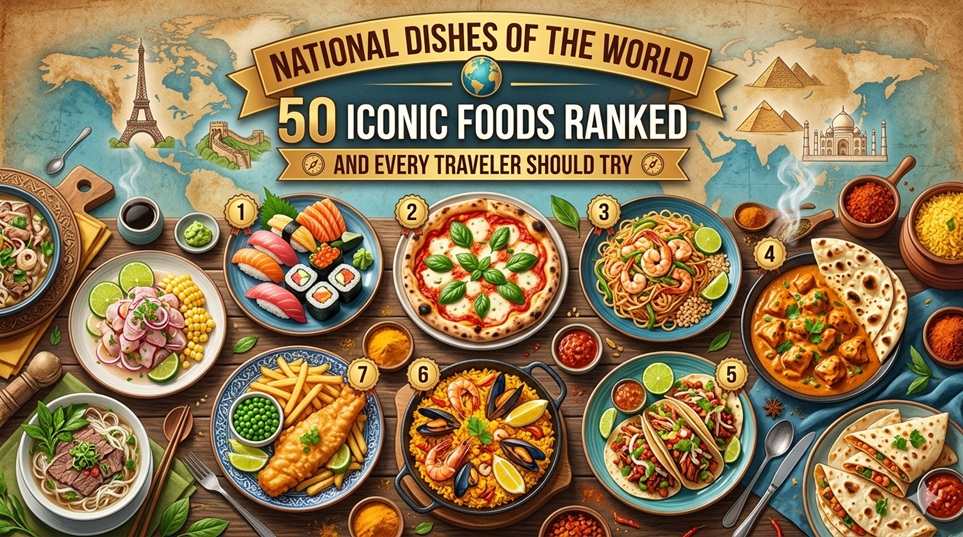
From Italy’s famous pizza and Japan’s sushi to the Philippines’ adobo and Thailand’s pad thai, these iconic foods have become ambassadors of their respective countries.
If you’re planning your next food adventure—or simply looking to explore the world through cuisine—here are some of the most famous national dishes ranked based on global popularity, cultural significance, and traveler appeal.
Top 50 National Dishes of the World Ranked
1. Pizza — Italy
No food is more internationally recognized than pizza.
Originating in Naples, pizza began as an affordable meal for working-class families. Today, it has evolved into one of the world’s most beloved dishes while remaining deeply connected to Italian culture.
Traditional Neapolitan pizza features a thin crust, San Marzano tomatoes, fresh mozzarella, basil, and olive oil.
Why It’s Ranked #1
- Universally loved
- Available worldwide
- Strong cultural heritage
- UNESCO-recognized tradition
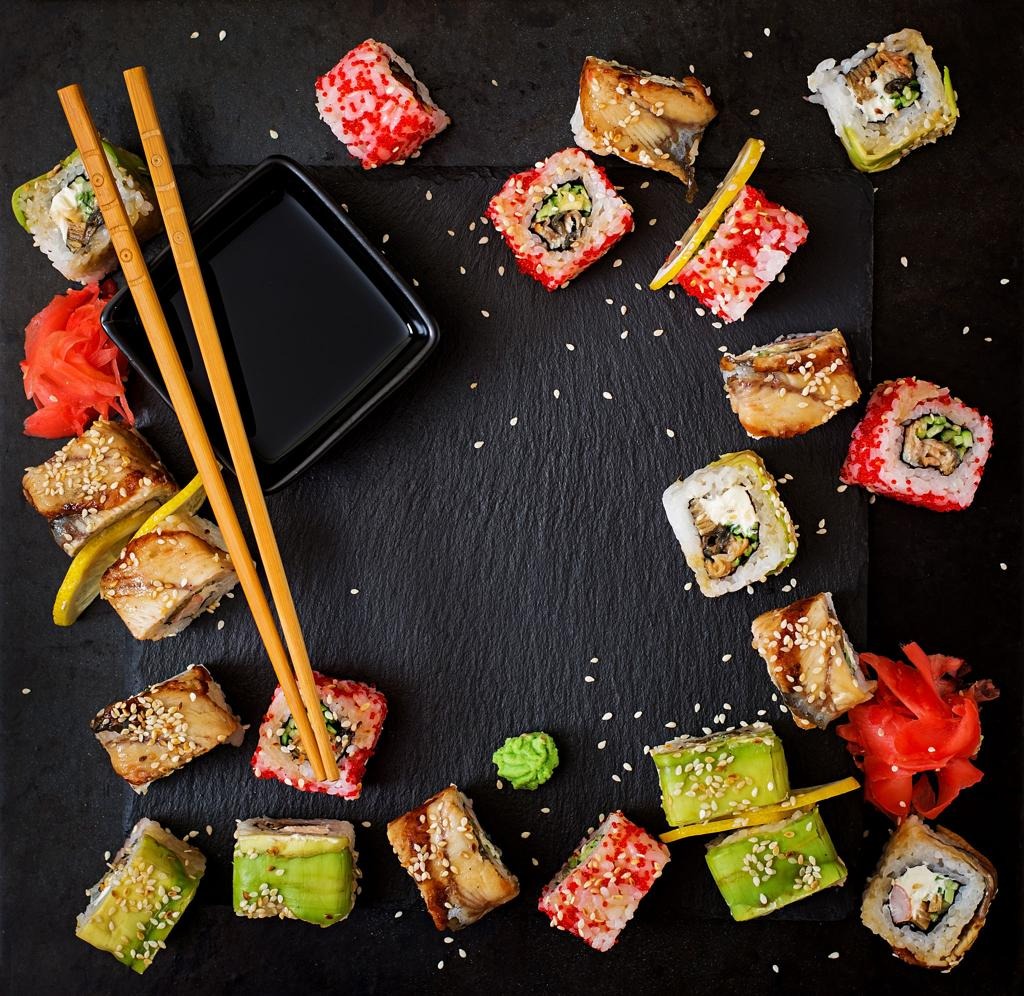
2. Sushi — Japan
Sushi represents Japan’s dedication to craftsmanship, precision, and simplicity.
What began as a method of preserving fish eventually became an art form celebrated around the globe.
From nigiri and maki rolls to sashimi, sushi showcases the freshness and quality of ingredients above all else.
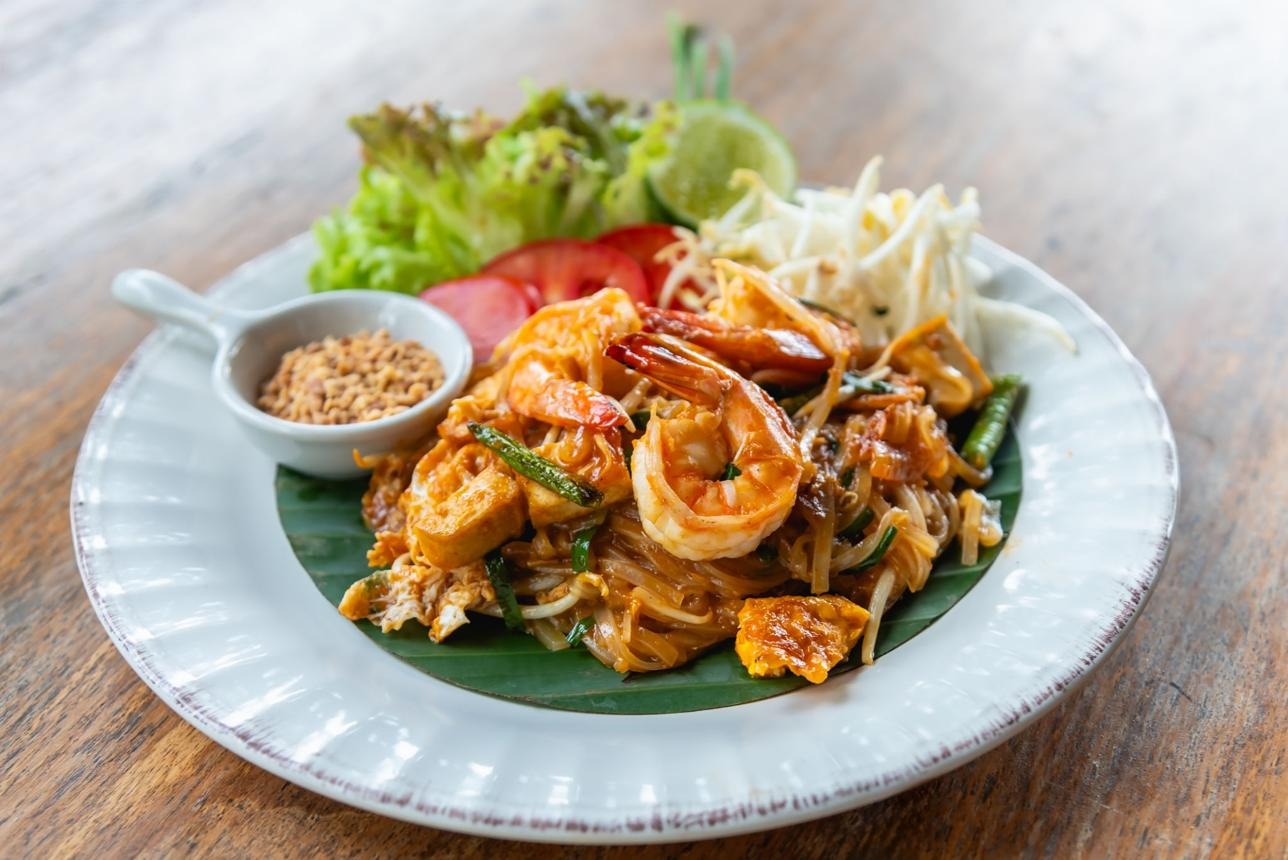
3. Pad Thai — Thailand
Sweet, salty, sour, and slightly spicy, Pad Thai perfectly captures the balance of flavors that Thai cuisine is known for.
Made with stir-fried rice noodles, shrimp or chicken, peanuts, bean sprouts, tamarind sauce, and lime, it’s often the first Thai dish travelers fall in love with.
4. Adobo — Philippines
For many Filipinos, adobo is more than food—it’s comfort, family, and home.
The dish combines meat, vinegar, soy sauce, garlic, bay leaves, and peppercorns, creating a rich and savory flavor profile that has stood the test of time.
Every household has its own version, making adobo one of the most personal national dishes in the world.
5. Paella — Spain
Originally from Valencia, paella is a vibrant rice dish often cooked with seafood, chicken, rabbit, saffron, and vegetables.
The large communal pan used to prepare paella reflects Spain’s love for gathering family and friends around food.
6. Pho — Vietnam
Pho is Vietnam’s most famous culinary export.
This aromatic noodle soup combines slow-cooked broth, rice noodles, herbs, and beef or chicken to create a deeply comforting meal enjoyed at any time of day.
7. Hamburger — United States
Few foods have influenced global dining culture more than the hamburger.
Though inspired by European origins, the hamburger became an American icon through diners, roadside restaurants, and fast-food culture.
8. Peking Duck — China
Known for its crispy skin and tender meat, Peking Duck dates back to imperial China.
Served with pancakes, cucumber, scallions, and sweet bean sauce, it remains one of China’s most celebrated dishes.
9. Biryani — India
Biryani is a flavorful rice dish layered with spices, meat, and aromatic herbs.
Different regions of India have developed their own versions, making biryani one of the country’s most treasured culinary traditions.
10. Tacos — Mexico
Simple yet incredibly versatile, tacos can be filled with meats, seafood, vegetables, and countless regional specialties.
They represent the heart of Mexican street food culture.
11. Kimchi — South Korea
Kimchi is much more than a side dish in South Korea—it is a cornerstone of Korean culture and daily life. Made by fermenting vegetables, most commonly napa cabbage and Korean radish, with chili peppers, garlic, ginger, fish sauce, and other seasonings, kimchi offers a complex combination of spicy, tangy, savory, and umami flavors.
The tradition of making kimchi, known as Kimjang, is so important that it has been recognized by UNESCO as an Intangible Cultural Heritage. Families and communities often gather to prepare large batches before winter, preserving food for the colder months.
Today, kimchi accompanies nearly every Korean meal and has gained worldwide recognition for its flavor and potential probiotic benefits.
Why You Should Try It:
- Essential part of Korean cuisine
- Rich in probiotics and nutrients
- Hundreds of regional variations
- Pairs perfectly with Korean barbecue and rice dishes
12. Feijoada — Brazil
Feijoada is Brazil’s most iconic comfort food. This hearty stew consists of black beans slowly cooked with pork, beef, sausages, and spices until the flavors blend into a rich and satisfying dish.
Traditionally served with white rice, collard greens, orange slices, and toasted cassava flour, feijoada is often enjoyed during family gatherings and weekend celebrations.
Its origins reflect Brazil’s multicultural history, combining influences from Portuguese, African, and Indigenous culinary traditions.
Why You Should Try It:
- Deeply rooted in Brazilian culture
- Rich, hearty, and filling
- Perfect example of slow-cooked comfort food
- Popular during social gatherings and festivals
13. Moussaka — Greece
Moussaka is often considered Greece’s answer to lasagna. This layered casserole combines eggplant, seasoned minced meat, tomato sauce, potatoes, and a creamy béchamel topping baked until golden brown.
The dish showcases Mediterranean ingredients and flavors while highlighting Greece’s culinary heritage. Though variations exist throughout the Balkans and the Middle East, the Greek version remains the most internationally recognized.
A well-made moussaka balances rich flavors with comforting textures, making it a favorite among both locals and visitors.
Why You Should Try It:
- One of the Mediterranean’s most famous dishes
- Rich layers of flavor and texture
- Traditional Greek comfort food
- Found in restaurants throughout Greece
14. Couscous — Morocco
Couscous is a staple across North Africa, but Morocco is especially known for elevating this humble grain into a celebrated national dish.
Made from tiny steamed granules of semolina wheat, couscous is often served with slow-cooked vegetables, chickpeas, lamb, chicken, or beef, all infused with aromatic spices such as saffron, cinnamon, and cumin.
In many Moroccan households, couscous is traditionally enjoyed on Fridays after prayers, symbolizing family, community, and hospitality.
Why You Should Try It:
- Deep cultural significance
- Unique blend of spices and textures
- Highly customizable
- A true representation of Moroccan hospitality
15. Wiener Schnitzel — Austria
Wiener Schnitzel is Austria’s most famous culinary export. This simple yet elegant dish consists of a thin veal cutlet coated in breadcrumbs and fried until perfectly golden and crisp.
Often served with potato salad, parsley potatoes, or lingonberry jam, Wiener Schnitzel reflects Austria’s appreciation for quality ingredients and classic European cooking techniques.
The dish originated in Vienna and remains a must-try meal for visitors exploring Austrian cuisine.
Why You Should Try It:
- Crispy, light, and satisfying
- Historic Viennese specialty
- One of Europe’s most famous dishes
- Perfect introduction to Austrian cuisine
16. Fish and Chips — United Kingdom
Few dishes are as closely associated with British culture as fish and chips.
Traditionally consisting of battered white fish and thick-cut fries, this iconic meal became popular during the Industrial Revolution and remains a beloved comfort food throughout the United Kingdom.
Served with malt vinegar, mushy peas, curry sauce, or tartar sauce, fish and chips continue to be enjoyed from seaside towns to bustling cities.
Why You Should Try It:
- Quintessential British comfort food
- Simple ingredients done exceptionally well
- Deep historical significance
- Best enjoyed fresh by the seaside
17. Poutine — Canada
Poutine may look simple, but it has become one of Canada’s most beloved culinary icons.
Originating in Quebec, the dish combines crispy French fries, fresh cheese curds, and rich brown gravy. The result is a delicious mix of textures and flavors that has captured the hearts of Canadians and international visitors alike.
Modern versions include toppings such as smoked meat, pulled pork, bacon, mushrooms, and even lobster.
Why You Should Try It:
- Canada’s ultimate comfort food
- Unique combination of textures
- Widely available across the country
- Countless creative variations
18. Hummus — Lebanon
Hummus is one of the Middle East’s most influential and widely loved foods.
Made from chickpeas, tahini, olive oil, garlic, and lemon juice, hummus is smooth, creamy, nutritious, and incredibly versatile. While many countries claim variations of hummus, Lebanon is often credited with helping popularize it worldwide.
Whether enjoyed as a dip, spread, appetizer, or accompaniment to grilled meats, hummus represents the simplicity and freshness of Levantine cuisine.
Why You Should Try It:
- Healthy and nutritious
- Simple yet flavorful
- One of the world’s most popular dips
- Excellent introduction to Middle Eastern cuisine
19. Goulash — Hungary
Goulash is a rich stew or soup flavored with Hungary’s most famous ingredient—paprika.
Traditionally made with beef, onions, potatoes, carrots, and spices, goulash originated among Hungarian shepherds who cooked meals in large cauldrons over open fires.
Today, it remains a national treasure and a symbol of Hungarian identity.
Its warming flavors make it especially popular during colder months.
Why You Should Try It:
- Rich paprika-based flavor
- Strong connection to Hungarian history
- Comforting and hearty
- Popular throughout Central Europe
20. Nasi Goreng — Indonesia
Nasi Goreng, which literally means “fried rice,” is considered Indonesia’s national dish and one of Southeast Asia’s most flavorful meals.
The dish is typically prepared with rice stir-fried in sweet soy sauce (kecap manis), garlic, shallots, chili, vegetables, and protein such as chicken, shrimp, or beef. It is often topped with a fried egg and served with crackers, pickles, and sambal.
What sets Nasi Goreng apart from other fried rice dishes is its distinct sweet, smoky, and savory flavor profile.
Why You Should Try It:
- Rich Southeast Asian flavors
- Affordable and widely available
- Versatile and customizable
- Popular for breakfast, lunch, and dinner
Ranks 21–30: Hidden Culinary Gems Worth Traveling For
While the top 20 dishes enjoy worldwide fame, the next ten national dishes offer equally unforgettable culinary experiences and often provide a deeper glimpse into local culture.
21. Ceviche — Peru
Fresh fish marinated in citrus juices, often considered one of the world’s best seafood dishes.
22. Kebab — Türkiye
Perfectly grilled meat served with bread, vegetables, and regional spices.
23. Rendang — Indonesia
Slow-cooked beef simmered in coconut milk and spices until incredibly tender.
24. Jollof Rice — Nigeria
West Africa’s beloved rice dish known for its vibrant flavor and friendly regional rivalries.
25. Foul Medames — Egypt
A nutritious breakfast dish made from fava beans, olive oil, garlic, and lemon.
26. Tom Yum — Thailand
A hot and sour soup packed with shrimp, lemongrass, lime leaves, and chili.
27. Ramen — Japan
One of the world’s most celebrated noodle dishes with countless regional varieties.
28. Shawarma — Jordan
Thinly sliced roasted meat wrapped in pita bread with flavorful sauces.
29. Fondue — Switzerland
Melted cheese shared communally, symbolizing Swiss hospitality and mountain culture.
30. Borscht — Ukraine
A vibrant beet soup deeply connected to Ukrainian culinary heritage.
These dishes deserve just as much attention as the top ten and are often among the most memorable meals travelers experience abroad.
Which Country Has the Best National Dish?
The answer depends entirely on your taste preferences.
If You Love Comfort Food
- Adobo (Philippines)
- Pho (Vietnam)
- Goulash (Hungary)
If You Love Seafood
- Paella (Spain)
- Sushi (Japan)
- Ceviche (Peru)
If You Love Spicy Food
- Pad Thai (Thailand)
- Tom Yum (Thailand)
- Biryani (India)
If You Love Street Food
- Tacos (Mexico)
- Shawarma (Jordan)
- Hamburger (United States)
National Dishes Worth Traveling For

Some foods are so deeply tied to their place of origin that experiencing them locally feels completely different from eating them elsewhere.
A wood-fired pizza in Naples, authentic sushi in Tokyo, pho from a street stall in Hanoi, or homemade adobo in the Philippines offers a glimpse into local culture that no museum or attraction can replicate.
Food has the power to connect people across languages, borders, and generations—and these national dishes are among the best examples of that universal connection.
Final Thoughts
Every country tells its story through food.
While rankings are always subjective, these national dishes have earned worldwide recognition because they represent much more than flavor. They reflect history, tradition, family, and cultural identity.
Whether you’re planning a culinary bucket list or simply exploring world cuisine from home, these iconic dishes offer a delicious way to experience the diversity of our world—one bite at a time. 🍽️🌍
Frequently Asked Questions
What is the most famous national dish in the world?
Pizza from Italy is widely considered the most famous national dish due to its global popularity and cultural influence.
What is the national dish of the Philippines?
Adobo is widely recognized as the Philippines’ national dish because of its popularity and historical significance.
Which country has the best food in the world?
Countries frequently praised for their cuisine include Italy, Japan, Thailand, Mexico, France, and the Philippines.
What is the oldest national dish still eaten today?
Several dishes trace their origins back centuries, including couscous, pho, biryani, and various forms of flatbread and stew found across the Middle East and Mediterranean.
Why do countries have national dishes?
National dishes often represent a country’s history, agriculture, traditions, and cultural identity, serving as culinary symbols recognized both locally and internationally.
Related Articles:
– Discover the Philippines: Top Must-Visit Destinations and Experiences
– 25 Best Travel Blogs: Top Travel Blogger Websites in the World
– Top 5 Travel Tips for a Stress-Free International Adventure: Your Guide to Smooth Travels
– 10 Things to Know Before You Retire
– 8 Tips for Choosing a Savings Account for Your Family’s Needs
– The Philippines’ New Era of Sustainable and Connected Travel