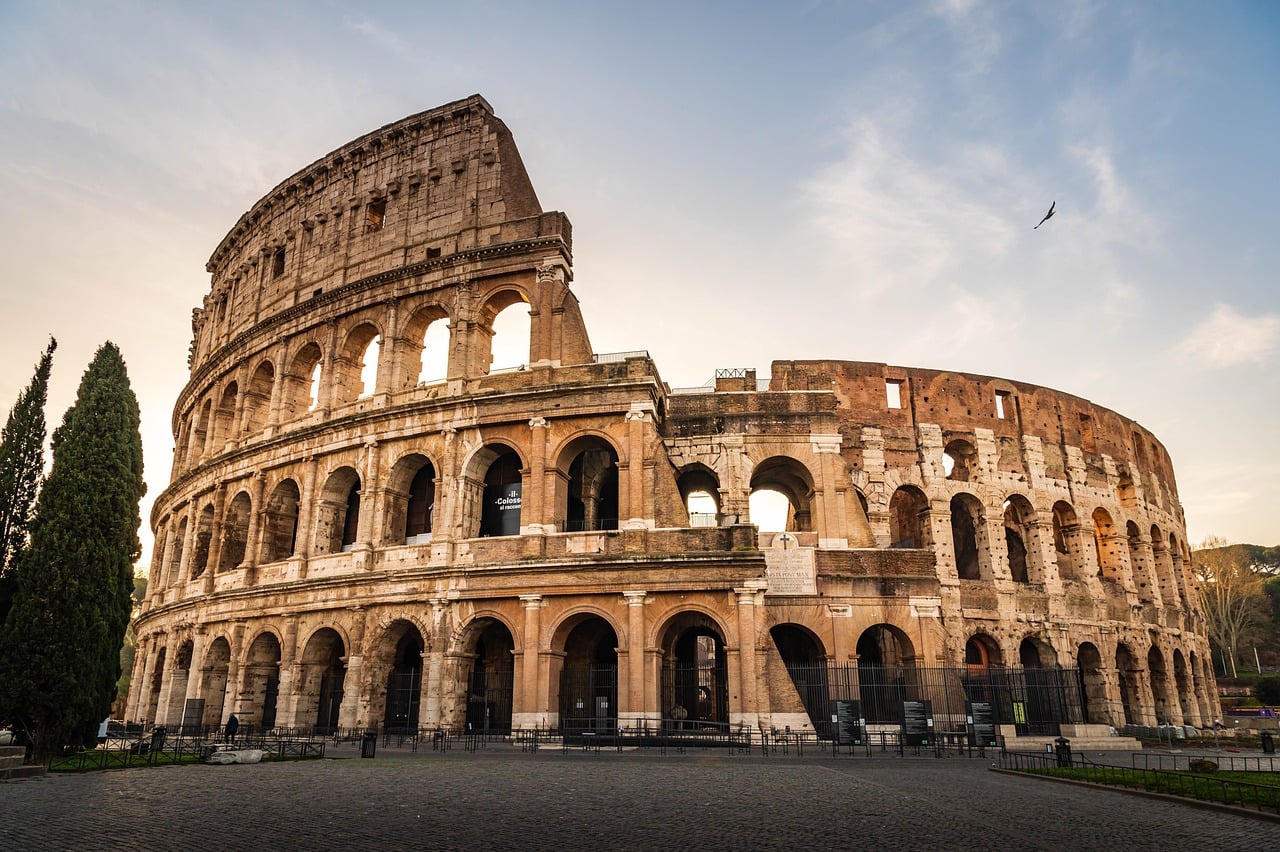
Rome in August looks a certain way: tour groups wilting near the Trevi Fountain, gelato melting faster than anyone can eat it, and locals who’ve fled to the coast leaving entire neighborhoods shuttered. That single detail tells you almost everything about timing a trip to this city. Rome rewards travelers who plan around its climate and calendar, not against them.
The Short Answer
April, May, September, and October offer the best balance of weather, crowds, and open businesses. Temperatures during these months typically range from the low 60s to mid-70s Fahrenheit, comfortable enough for walking tours without needing an extra layer or a change of shirt by noon. These shoulder seasons also avoid the worst of both summer’s heat and winter’s shorter daylight hours.
That said, “best” depends on what matters most to you. Someone chasing lower airfare will make different choices than someone who wants to see the Colosseum without three tour buses parked outside it.
Spring: Rome at Its Most Photogenic
Late March through May brings mild days, blooming wisteria along ancient walls, and a city that feels alive without feeling overrun. Easter week is an exception worth noting, since it draws enormous crowds to Vatican City and can double hotel rates in the surrounding area.
Outside that specific week, spring offers ideal conditions for walking the city’s cobblestone streets for hours. Restaurants set up outdoor seating, and parks like Villa Borghese turn green and fragrant. Pack layers, since evenings can still dip into the 50s even when afternoons feel warm.
Fall: The Insider’s Favorite
Many longtime Rome visitors quietly prefer September and October over spring, and for good reason. The summer crowds have thinned, the heat has broken, and the light in late afternoon turns the city’s ochre buildings a deeper gold. Harvest season also means fresh porcini mushrooms and new olive oil showing up on menus.
Early September can still run warm, sometimes into the high 80s, so late September through October tends to be the sweeter window. Rain becomes more likely by November, so plan a light jacket and maybe a compact umbrella for late-October trips.
Summer: Beautiful but Demanding
June through August is peak tourist season, and the numbers back that up. Rome regularly sees temperatures above 90 degrees Fahrenheit in July and August, with little relief since much of the historic center offers minimal shade and few water features to cool off in beyond the public fountains.
August carries an additional wrinkle: many family-owned restaurants and shops close for two to three weeks around Ferragosto, a national holiday on August 15th. Larger attractions stay open, but the neighborhood trattoria recommended by a friend might have a metal gate down when you arrive.
If summer is the only option, mornings become essential. Visiting major sites like the Roman Forum or Palatine Hill before 9 a.m. avoids both the worst heat and the largest crowds. Booking a Colosseum tour with early or last-entry time slots is one of the more reliable ways to experience the amphitheater without standing in direct sun for an hour, and guided access often includes areas like the upper tiers or underground chambers that general admission tickets don’t cover.
Winter: Fewer Crowds, Real Trade-offs
December through February is Rome’s quietest stretch, and quiet has real appeal. Attractions that require reservations in summer sometimes allow walk-in access in January. Hotel rates drop, and the city’s holiday lighting around Piazza Navona adds a festive backdrop, especially through early January when Rome celebrates Epiphany with a traditional market.
Weather is the trade-off. Daytime temperatures often sit in the 50s, with rain more frequent than in any other season. Daylight is also limited, with sunset arriving around 4:30 p.m. in late December, which shortens the practical touring day. Layered clothing and a waterproof jacket matter more here than anywhere else on the calendar.
Matching Timing to Priorities
Travelers focused purely on comfortable weather should aim for late April through May or late September through mid-October. Budget-conscious travelers willing to handle rain and shorter days will find the best flight and hotel deals from November through early March, excluding the December holiday spike. Anyone hoping to avoid lines at major sites should skip June through August entirely, or at minimum book skip-the-line tickets well in advance.
Families with school schedules often have less flexibility and end up visiting in summer regardless. In that case, structuring days around early mornings and late afternoons, with a long indoor break during peak heat, makes the season far more manageable.
The Real Takeaway
There’s no universally perfect month, but there is a smart way to choose one: decide what matters most, whether that’s weather, cost, or crowd size, and let that priority drive the calendar rather than trying to optimize for everything at once. Late spring and early fall satisfy the most priorities at once, which is why they’re consistently recommended, but a well-planned summer or winter trip can still deliver a great experience if you build the itinerary around the season’s specific challenges rather than ignoring them.
Related Articles:
– Your First UK Adventure: Top 7 Cities Not To Miss
– Everything You Need to Know About Travelling
– How to Make a Good Travel Vlog
– The Future of Luxury Travel: A Glimpse of What’s To Come
– The 8 Elements of Travel