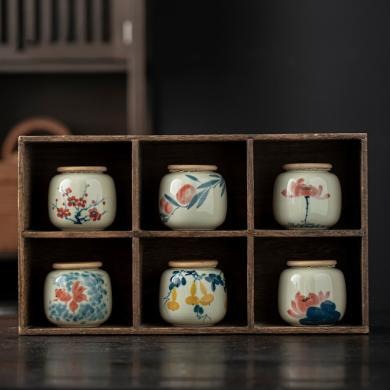
Tea has become an increasingly popular part of daily life, with more people enjoying different varieties of tea at home, from green tea and oolong to black tea and floral blends. As tea collections grow, keeping the leaves fresh after opening becomes an important part of preserving their original aroma and flavor. The right tea caddy depends on the type of tea you enjoy, the amount you usually keep, and how often it is opened. Since different teas have different storage needs, choosing the right container is essential. The most useful approach is to start with the tea itself, then consider factors such as size, material, and lid design.
What Affects Tea Freshness
Once tea is opened, air, moisture, light, and surrounding odors can gradually affect its quality. Over time, the aroma, color, and taste of the tea may change. Dry tea leaves can easily absorb moisture and nearby smells. Delicate teas can also lose their freshness when repeatedly exposed to air or bright light. A suitable tea caddy helps create a stable environment for the leaves between uses. For everyday storage, the most important features are usually a well-fitting lid, an opaque body, a clean interior, and a size that matches the amount of tea being stored.
Choose the Right Size for Your Tea Habits
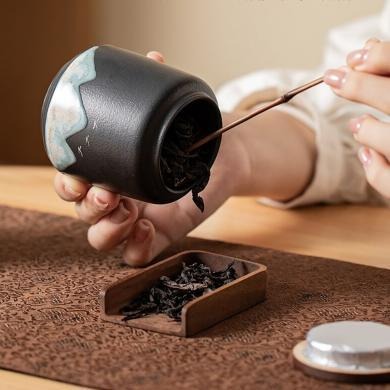
If you drink tea every day, a smaller caddy for regular use is often more practical than repeatedly opening a large container. A good approach is to keep the main tea supply sealed separately and refill a smaller caddy with enough tea for several days or a couple of weeks. This helps reduce repeated exposure of the whole batch to fresh air and moisture.
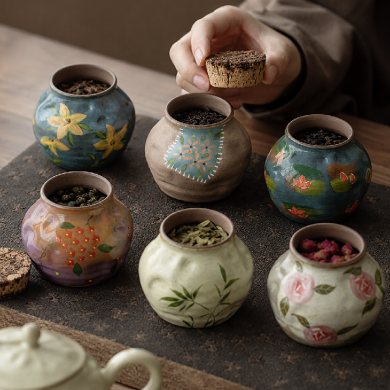
If you keep several types of tea at home, smaller tea caddies can be equally practical. Instead of leaving multiple large packages open, you can store green tea, black tea, oolong tea, or floral tea in separate containers and refill them as needed. This keeps each tea organized while helping preserve its individual aroma and freshness.
The shape of the leaves also matters when choosing a tea caddy. Rolled oolong is compact, while loose white tea or long twisted leaves require more space. For this reason, tea caddy capacity should not be judged by weight alone. The same amount of tea by weight may need very different container sizes depending on the shape and volume of the leaves.
Match the Material to the Tea
Different materials provide different levels of protection and suit different tea storage needs. The best choice depends on the type of tea, how often it is consumed, and the storage environment.
Tin caddies are a traditional choice for teas that benefit from strong protection against light, air, and outside odors. They are especially suitable for green tea, lightly oxidized oolong, black tea, and jasmine tea, where preserving freshness and aroma is important. A well-fitted lid or inner lid can further improve storage performance.
Ceramic tea caddies are among the most versatile choices for home use. Their opaque walls help protect tea from light, while glazed interiors are easy to clean and do not readily retain aromas. They work well for black tea, oolong, floral tea, green tea, and many other everyday teas. A secure lid design provides better protection, while keeping tea in its original sealed packaging inside the caddy can offer an additional layer of protection.
Stainless steel and other metal caddies are practical options for everyday tea storage. They are lightweight, durable, easy to organize, and available in many sizes. They work well for many everyday teas, including green tea, black tea, roasted oolong, and rock tea. They are also useful for dividing larger tea purchases into smaller portions for daily use.
Glass caddies are useful when you want to see the tea leaves easily. They are especially suitable for flower teas, herbal blends, dried chrysanthemum, rose buds, and other ingredients where appearance is part of the enjoyment. Since tea is sensitive to light, glass caddies are best kept in a closed cabinet or another shaded area.
Purple clay and unglazed pottery caddies provide a different storage environment from sealed metal or glazed ceramic containers. They are commonly used for certain aged or fermented teas, including some pu-erh, dark teas, and aged teas. However, they are better suited to specific storage preferences and require attention to humidity, temperature, and surrounding conditions.
Store the Tea Caddy in the Right Place
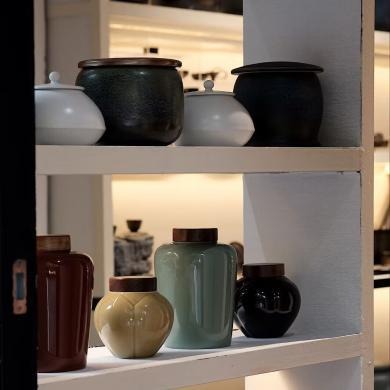
The storage environment also plays an important role in keeping tea fresh. Place the tea caddy in a cool, dry area away from direct sunlight, heat sources, steam, and strong odors from coffee, spices, candles, incense, or cleaning products.
For those who enjoy tea regularly, keeping tea caddies, teapots, cups, and other accessories together in a dedicated space can make daily preparation more convenient while creating a more organized tea corner at home.
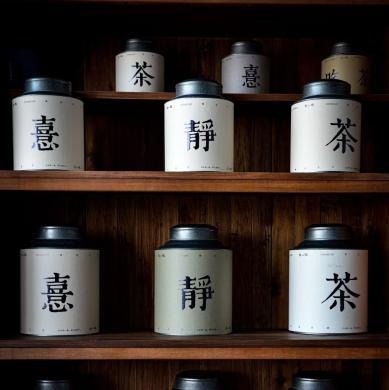
Finding the Right Tea Caddy for Everyday Use
The most suitable tea caddy should match the characteristics of the tea and the way it is enjoyed. Consider the storage needs of each tea, then choose an appropriate size and material.
With proper storage, tea can maintain its aroma and flavor for longer. A well-chosen tea caddy keeps different teas organized and makes everyday tea preparation easier, while helping preserve the character of each tea.
Related Articles:
– A Newbie Experimenting With Beverages? Ask These Questions Before Starting
– Here’s How Adding Experimental Ingredients Can Add Magic To Your Dishes
– 13 Surprising Health Benefits of Drinking Black Coffee and Some Common Side Effects
– Here’s How You Can Make Your Healthy Breakfast Fun And Yummy
– Going Organic: Basic Definition and Organic Food Labeling