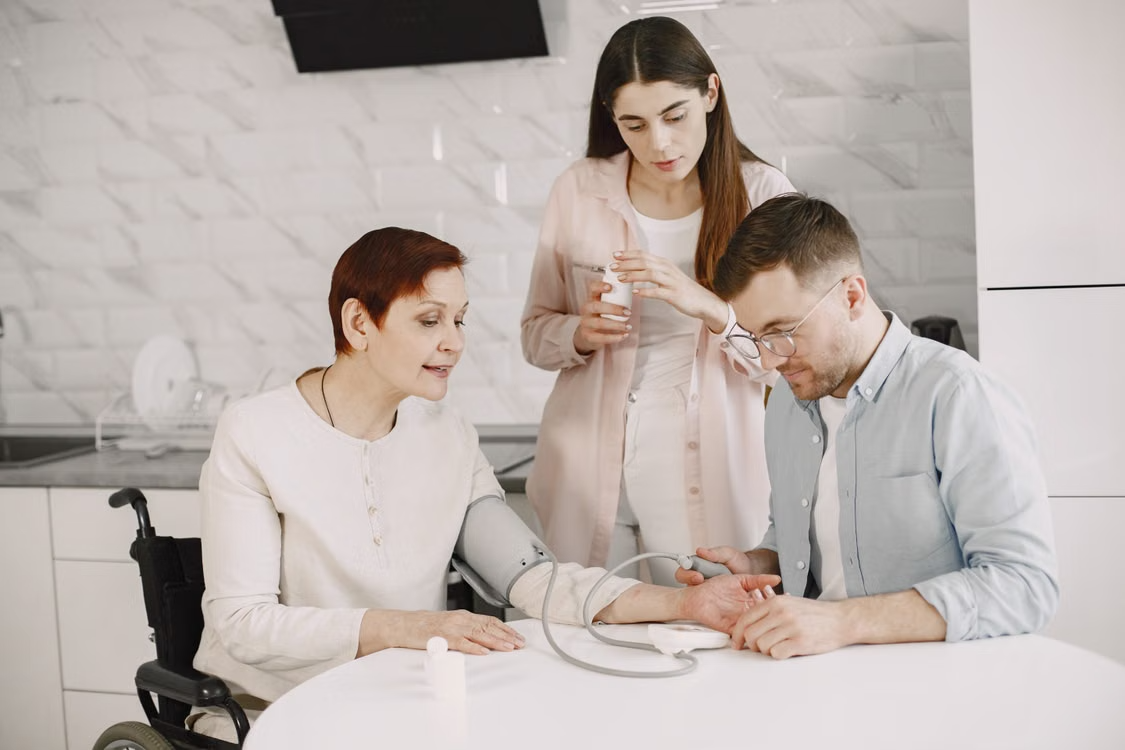
Family caregiving rarely starts with a dramatic announcement. It creeps in through tiny, incremental favors. First, it’s picking up a carton of milk on Tuesday afternoon. Then, it’s sorting through prescription bottles on Thursday night. Within six months, an adult child is managing complex medical schedules, monitoring erratic blood pressure, scrubbing bathroom tiles, and fielding frantic phone calls at two in the morning. Loving someone doesn’t automatically make a person qualified to run an intensive home hospital. Yet countless families shoulder this crushing load every single day out of pure, unexamined guilt.
Guilt whispers that paying someone else to assist an aging parent or injured relative is a form of abandonment. In reality, it’s often the only thing keeping the household functional. Bringing in an approved support at home package provider doesn’t diminish love; it introduces structure. Trained support workers step in to handle personal hygiene, meal preparation, mobility routines, and light domestic duties. That single logistical shift removes dozens of daily friction points from the household, allowing everyone to breathe again.
Restoring The Dignity Of Being Family
When an adult daughter has to assist her father in the shower, the fundamental texture of their relationship changes forever. Roles warp. An elderly parent who spent decades offering protection, guidance, and financial stability suddenly feels stripped of their privacy. Meanwhile, their adult child absorbs the quiet trauma of role reversal. Resentment often bubbles beneath the surface on both sides. The parent feels patronized and exposed, while the child feels overwhelmed, clumsy, and perpetually underqualified for the intimate physical tasks required.
Professional carers bring emotional neutrality into the room. They don’t carry thirty years of family baggage, childhood rivalries, or unspoken domestic grievances. For a trained professional, helping someone transfer safely from a bed to a wheelchair is straightforward clinical practice. For an exhausted son, it’s a nerve-wracking chore loaded with fear, physical strain, and awkward silence. External care restores personal dignity. It allows an aging mother to remain a mother, rather than a patient managed by her own stressed children.
Think about the conversations that happen when caregiving takes over a family dynamic. They shrink down to exhausting logistics. Did you take the water tablet? Did you finish the soup? Is the hip aching today? All genuine warmth and curiosity drain out of the connection. By outsourcing mechanical routines, visits become human again. Family members can sit down together, drink a cup of tea, look each other in the eye, and talk about gardening, old memories, or local community news. You get your relationship back.
The Hidden Physical Cost Of Hypervigilance
Caregivers frequently live in a state of permanent low-grade panic. Clinicians call it chronic hypervigilance. It’s the physiological state where the nervous system never fully disarms because the body is always anticipating the next emergency. The sudden thud down the hallway. The missed phone call. The subtle chest rattle that might turn into pneumonia. This constant surge of adrenaline and cortisol ruins healthy sleep architecture, causes chronic digestive tension, and gradually suppresses the immune system.
Research tracking family caregivers shows that prolonged domestic caregiving without external relief raises the risk of chronic physical illness by nearly thirty percent. Blood pressure spikes. Debilitating tension headaches settle behind the eyes. Relationships with spouses and children suffer because the primary caregiver is completely depleted before dinner even hits the table. Sacrificing your own physical health and family stability on the altar of good intentions simply doesn’t work long-term.
When the nervous system stays locked in red alert for months, taking a brief afternoon off won’t undo the damage. Panic attacks, intrusive thoughts about worst-case scenarios, and pervasive insomnia become entrenched neurological habits. Many adult children in regional communities who find themselves trapped in this exhausting cycle actively seek professional anxiety treatment Sunshine Coast clinics provide to rewire a dysregulated stress response. Unpacking that deep-seated dread with a qualified clinician isn’t an indulgence. It’s essential healthcare for someone whose brain has spent months running non-stop crisis drills.
Clinical Eyes Catch What Love Misses
Love often blinds family members to gradual, dangerous physical changes. When you see an aging relative every day, you might easily miss a subtle decline in their walking gait, a slight hesitation before speaking, or the telltale signs of a brewing infection that can trigger sudden confusion. People normalize gradual deterioration because they want so badly for everything to be fine. It’s an understandable protective instinct, but it can lead to preventable hospital admissions.
Trained carers evaluate physical and cognitive conditions with clear, objective eyes. They notice when medication blister packs aren’t emptying at the right pace or when an ankle shows slight fluid retention. They document these changes, communicate clearly with doctors, and catch complications before they turn into midnight emergency room visits. Delegating this vigilance to professionals doesn’t mean you care less. It means you care enough to ensure the job is done right.
Sustainability Is The Ultimate Act Of Love
Every family has an emotional, physical, and financial limit. Pretending that limit doesn’t exist leads directly to catastrophic burnout, where the primary caregiver collapses and the dependent person loses their entire support system in an instant. Real resilience isn’t about carrying an impossible burden until your back breaks. It’s about knowing when to call in backup so the foundation stays strong. Outsourcing daily care isn’t an admission of defeat. It’s a mature, practical choice to build a sustainable circle of care around the people who matter most.
Related Articles:
– Creating Breathing Space in a Fast Moving Family Life
– Why Parents Should Include Life Insurance in Their Family Protection Plan
– The Smartest Ways to Pack a Busy Family Home
– Stress-Free Family Vacation: How Phone Booking Prevents Common Travel Mistakes
