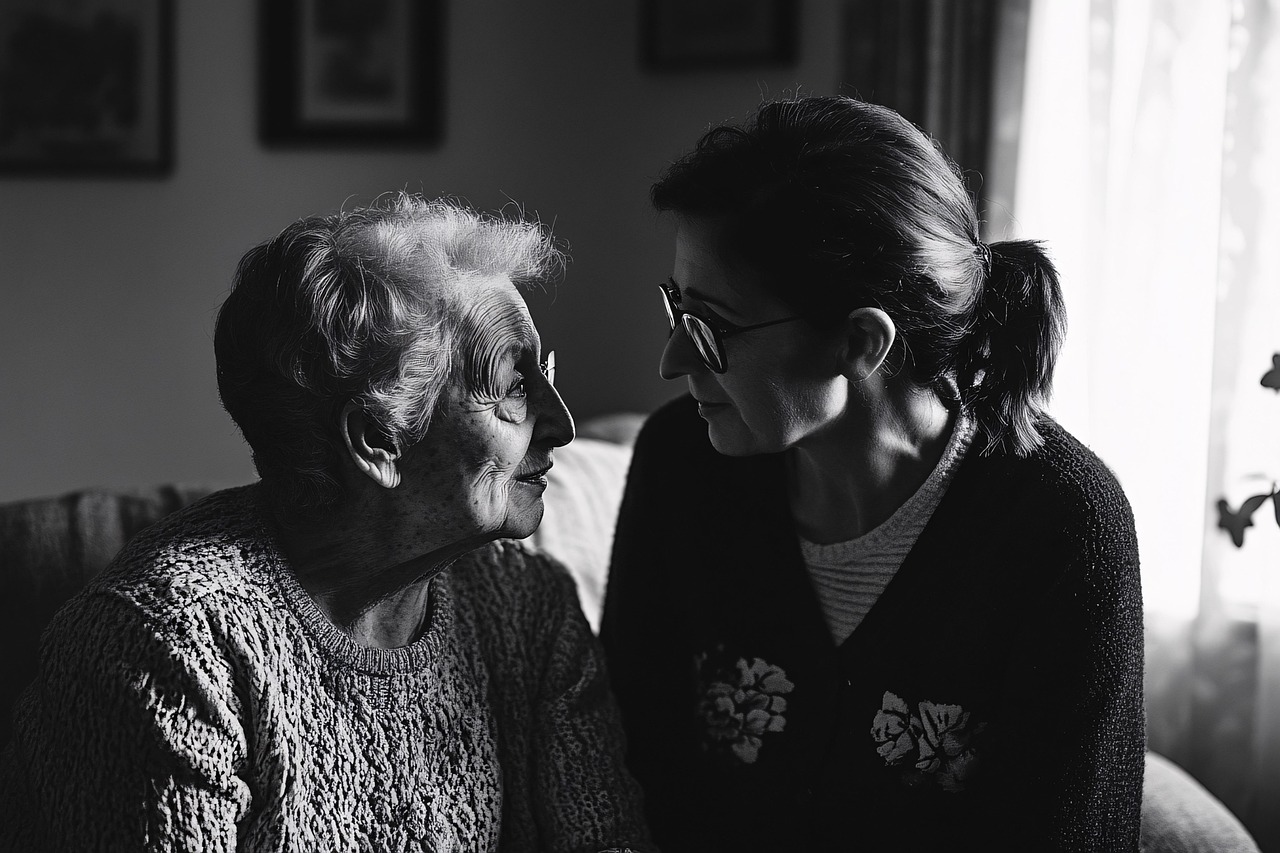
Caregivers within a family are vital for helping medical patients manage chronic conditions, recover from illnesses and sustain a high standard of living – this assistance includes aiding with daily chores, organizing medical visits, cooking and offering verbal comfort. Caregiving also requires an equilibrium between addressing the needs of a patient and honoring the capacity of that individual to make choices. If family members involve themselves excessively, the person receiving care might perceive a loss of authority over their existence. By promoting active involvement, honoring specific desires and tailoring help to specific requirements, caregivers provide helpful assistance that maintains a state of self governance.
Honoring the Choices of a Patient
Respecting the decisions of a patient is a fundamental requirement for maintaining self reliance during the care process. Patients require chances to state their desires regarding daily schedules, hygiene, nutrition and clinical consultations. Even if a relative believes a different strategy is more efficient or helpful, that relative must consider the viewpoint of the patient before acting on their behalf. Transparent dialogue assists caregivers in identifying the priorities of the individual receiving help and prevents avoidable conflict.
Caregivers are also able to facilitate decision making – offering distinct choices and providing the patient with enough time for reflection. For instance, a relative might assist an older adult in comparing different transport services instead of selecting one for them. When clinical choices arise, caregivers help patients formulate inquiries for medical staff and interpret the provided data – this method ensures patients are active contributors to their treatment while they benefit from the knowledge and help of family members.
Promoting Involvement in Daily Tasks
Routine tasks offer chances for patients to maintain their physical strength, self assurance and sense of utility. Caregivers are often inclined to finish housework, choose attire or manage personal duties because these actions seem quicker. Taking over these tasks frequently reduces the chance for a patient to utilize their current talents. Caregivers should prompt patients to perform tasks they are able to handle alone whenever such action is secure and feasible.
Levels of help are likely to shift based on the medical state, stamina and physical capacity of the individual. A patient recovering from a surgical procedure may require help with cooking but is able to eat without assistance. An individual with restricted movement is often helped by specialized tools or modifications to the residence, such as a mobility scooter. Caregivers are able to split duties into small portions, offer help only where it is required and permit additional time for finishing tasks – these modifications help patients stay involved in daily life without overextending their capabilities.
Interacting with Dignity
Professional interaction allows caregivers to provide help without making the patient feel weak or reliant. Addressing the patient directly, hearing their words attentively and requesting permission before assisting shows respect for their boundaries. Caregivers must refrain from talking about the needs of a patient as if that individual is not present, especially during clinical visits or talks with other kin. Including the patient in the dialogues confirms their status as an individual with unique views and the right to join in decisions.
The vocabulary used during caregiving is also capable of influencing the confidence of a patient. Phrases suggesting an individual is unable to manage their own life might stop them from trying, even if the caregiver intends to be helpful. Caregivers can ask what specific help is helpful and praise tasks the patient handles alone. As an example, asking if an individual desires help with clothing gives them the power to accept or refuse the offer. Polite dialogue helps a joint effort and maintains the self worth of the patient.
Balancing Physical Safety with Liberty
Safety is a serious factor when helping patients, particularly those with walking difficulties, long term illnesses or mental changes. Family caregivers often feel anxiety regarding falls, errors in medication or struggles with daily chores – these worries can result in rules that are more restrictive than the situation requires. Rather than stopping activities that carry minimal risk, caregivers should analyze specific dangers and find functional ways to minimize them while keeping the liberty of the patient intact.
Specific safety measures make it simpler for patients to live with as much autonomy as possible. Placing handrails, brightening the lights, clearing floor obstructions, arranging transit and using tools for medication prompts address difficulties without needing constant oversight. Caregivers should also speak with medical experts when the abilities of a patient change or when safety issues become hard to control. A joint strategy clarifies which activities are still safe, where help is required and how independence is maintained as health status changes.
Supporting Mental Health
Receiving help from relatives can cause complex feelings for patients. Some individuals value the help but feel frustrated by the loss of certain skills or the need to rely on others for tasks they once did alone. Others are concerned about being an inconvenience or feel awkward talking about private needs with family. Caregivers must acknowledge these feelings and give patients the chance to talk about their emotions without being judged. Mental support helps patients adapt to new situations while they keep a positive self image.
Maintaining hobbies, friendships and daily habits also protects the mental state of a patient. Caregivers are able to assist patients in attending social events, staying in touch with friends, doing crafts or joining family parties – these chances allow patients to stay linked to their social circles rather than focusing only on medical issues. When patients contribute to their social group and follow their interests, they often feel more sure of their skills and more content with their daily lives.
Managing Care with Medical Professionals
Family caregivers are not required to handle every part of the treatment of a patient alone. Medical experts help families comprehend the condition of a patient, notice new needs and establish the right amount of help. Doctors and therapists often suggest methods that help patients do daily tasks with more safety. Caregivers use this advice to offer steady support without limiting the involvement of the patient more than is necessary.
Clear dialogue between patients, relatives and medical staff prevents confusion. If the patient agrees, family members can report what they see, talk about worries and help arrange visits or plans for treatment. Family members should not guess what a patient desires or change the care plan without a full discussion. Frequent check ins are useful when the health or physical power of a patient shifts. By collaborating, families and experts adjust help to the current needs of the patient while they keep the desires and independence of that individual as a priority.
Final Summary
Family caregivers provide a high level of help to a patient – offering help that values the skills, decisions and worth of that individual. Promoting involvement in daily life, speaking politely, managing safety and helping with emotions all create a balanced relationship. The level of help required is likely to change, which makes frequent talk and flexibility necessary. Success in caregiving is defined – helping patients manage their difficulties while they keep as much power over their own lives as possible.
Related Articles:
– Why Outsourcing Daily Care Is The Healthiest Choice You Can Make For Your Family
– Creating Breathing Space in a Fast Moving Family Life
– Why Parents Should Include Life Insurance in Their Family Protection Plan
– The Smartest Ways to Pack a Busy Family Home
– Stress-Free Family Vacation: How Phone Booking Prevents Common Travel Mistakes
