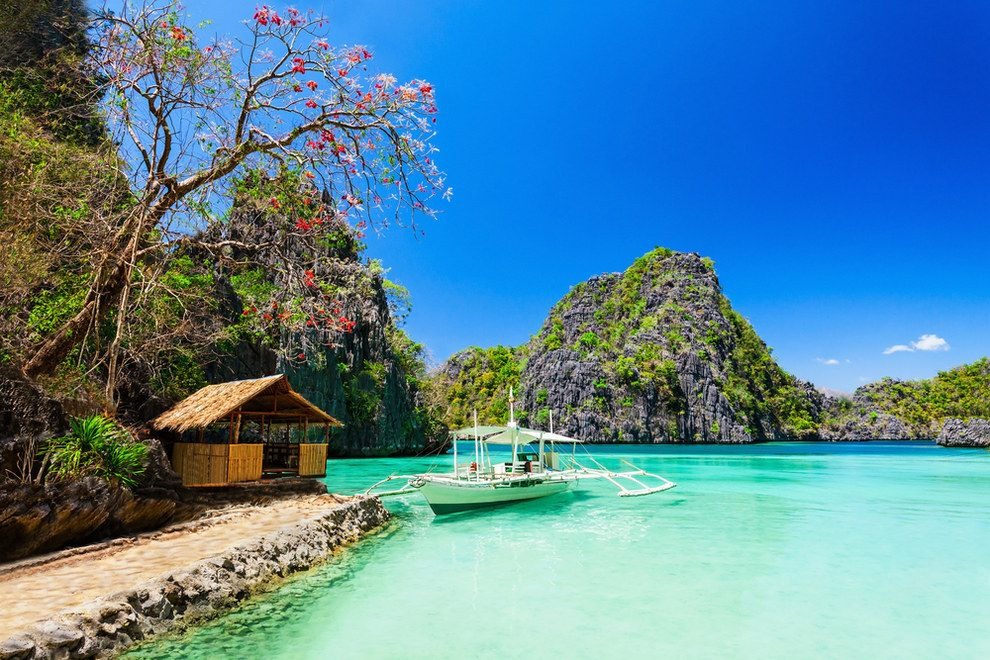
The Philippines is a great nation, a large living tapestry of species, culture, and natural wonders, more than a mere island nation of 7,641 Islands. By 2026, the archipelago will be in the midst of a significant shift from mass tourism to high-value tourism with sustainable development and conservation of its vulnerable ecosystems at the forefront. In today’s travel world, the merger of risk-taking and tech-savvy skills is essential. For both the remote seascape of Palawan and the volcanic landscape of Camiguin, a reliable connection is essential for real-time logistics management and data.
With eSIM Plus, guests can get a local data plan right away without needing to bring a SIM, so they can stay connected wherever they’ve traveled, even in the geek corner of the Visayas or Mindanao. It’s not just a convenience – it’s a key instrument for the conscientious traveller who depends on real-time information for sustainable travel and touristic projects organised by local communities.
The Rise of the “Slow Travel” Movement in the Philippines
One of the most important changes for 2026 is the fact that we’re moving away from “ticking off” landmarks and into deep immersion. People have become more interested in spending more time in one province and less time cruising or flying across various islands in a week. The “slow travel” spirit is neatly exhibited in destinations such as Camiguin, which was recently described as “no traffic lights” in a recent New York Times article announcing it as being a “must-visit”.
Accessible along a recently widened coastal highway, the island has something rare and special: volcanic peaks, cold and warm springs, and white sandbars (Mantle Island). When visitors delay their flights in areas such as Camiguin, they help minimize their travel footprints by cutting down on the number of domestic flights and get to know their communities better. The Government’s “Build Better More” program to upgrade the interisland ferry routes and provincial airports is also an indication of this trend, which aims to make the switch between islands smoother and leave less environmental footprint in the form of fuel use.
Sustainable Gems: Beyond the Famous Shores
Boracay and El Nido continue to be the tourism gems of the Philippines, but in 2026, the interest is in safeguarding their natural resources with strict environmental measures. Boracay is still carrying on a serious waste management program, as well as implementing eco-certifications for resorts to keep its powdery sands pristine. But if “next big thing” is more of a sustainable travel priority, other parts of the globe are taking center stage:
- The 2,000-year-old rice terraces of Banaue and the Ifugao Highlands are the eighth wonder of the world, now enjoyed as heritage tourism. Attempts are being made to help preserve the terraces for the native Ifugao people, and viewers are treated to a chance to join in with native farming activities, instead of viewing them from a distance.
- Siargao is much more than a surfer’s paradise; it has served as a model of resiliency-based and community-driven tourism. Despite getting back on its feet from large typhoons, it now has some of the most innovative eco-resorts in the country with solar energy and rainwater systems.
- Bohol’s eco-adventures. From the famed Chocolate Hills, Bohol is making headlines in the world of marine conservation. The marine sanctuaries in Panglao-Tagbilaran have been further expanded with an environment of world-class diving, with the presence of sea turtles and colorful coral reefs that are protected by community-led surveillance.
The Philippines’ geographic location and the volatility of weather make effective connectivity a given. 2026 brings a tremendous boost in the coverage of 5G service throughout the country, especially in major towns and cities such as Cebu and Manila, and even in popular island destinations. The historical problem of looking for an airport SIM card, where these devices would have to be registered, and even long lines would be found, is mostly eliminated, as the eSIM technology is looking into it.
It is a lifeline for people who are digital nomads or work remotely. Where having a good time is a full-time job, like San Juan, La Union, or General Luna, in Siargao, and where work and leisure are not mutually exclusive, you will take for granted having a speedy connection to the Internet or “boutique workation”. The ability to have the video conferencing part of the day merge seamlessly with a morning surf or a mountain hike lets professionals enjoy a balanced day of work and play, and helps bridge the divide.
Culinary Landscapes and Cultural Reconnection
A “gastronomic awakening” is another trend that will be present in the travel world in 2026. Filipinos have become quite proficient at creating a culinary scene that eclipses that of the neighboring countries. Provincial destinations like Batangas and Pampanga are appealing to “farm-to-table” visitors. The yearly Lanzones Festival at Camiguin is still an intense celebration of the island’s produce, offering visitors to the island the chance to enjoy the sweetest lanzones fruit and witness the street parades, in which people and land harmonize.
The principle of “pahinga” (true rest) has become prominent as a part of the travel experience. Retreats where a connection to the sunrise is matched with indigenous healing practices that immerse participants in nature are no longer a reserved experience in wellness circles; they are a response to the global burnout culture. It can be from a private villa in a secluded cove of Palawan or a mountain retreat in Sagada – it’s all about real renewal.
In 2026, the Philippines looks like a destination for anyone who values mindfulness and is seeking an efficient approach to travel. Adding in high-tech solutions such as eSIMs and AI-powered travel forecasting to a renewed allegiance to its role-playing territories and aquatic flora and fauna has allowed the archipelago to seamlessly blend innovative technology with centuries-old tradition. This means that the timings are reasonable, the duration is extended, and visitors are mindful of the local environmental requirements. This means that people are travelling at a slower speed, as well as staying longer and taking on the local environmental needs. The Philippines is not just a place to visit, it is a place to experience, to feel, and to protect, one island at a time.
Related Articles:
– Travel Tips Every Couple Should Know Before Their Next Trip To The Philippines
– Why Now Is the Best Time to Start Your Business Dreams in the Philippines
– Discover the Philippines: Top Must-Visit Destinations and Experiences
– How to Make a Good Travel Vlog
– The Future of Luxury Travel: A Glimpse of What’s To Come
– The 8 Elements of Travel