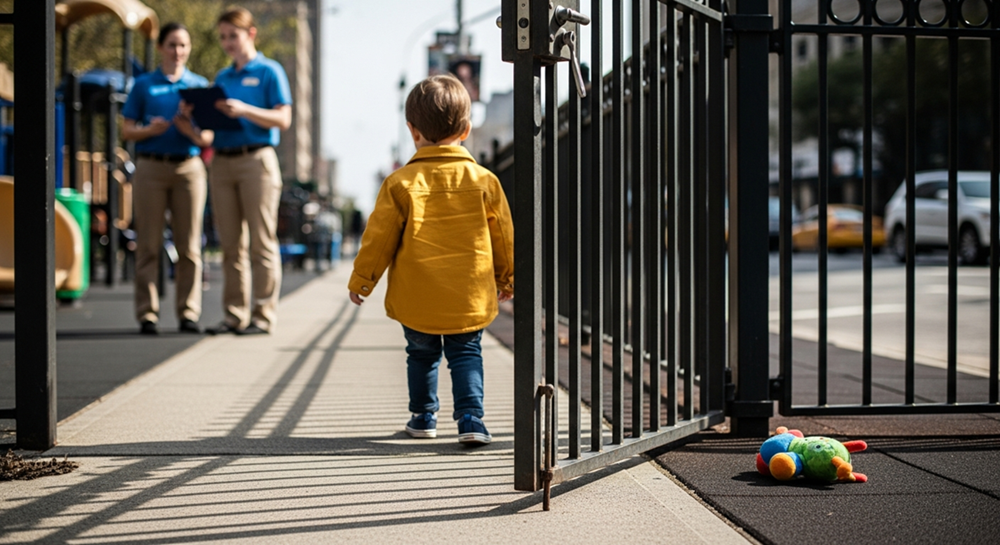
Parents place enormous trust in the caregivers, schools, and institutions watching their children. But here’s a sobering reality: 20 children and teens die daily from unintentional injuries in the United States. That’s not a rare occurrence; it’s an everyday crisis. To navigate this complex reality, it’s important to understand negligent supervision as a legal concept, where a parent or guardian holds a caregiver, school, or institution liable for failing to reasonably monitor and protect a child in their care. This guide walks you through the core elements of a negligent supervision claim, where these situations most commonly occur, and the legal steps you can take if your child is harmed.
Understanding the Elements of Negligent Supervision
High-profile incidents keep reminding us just how quickly a normal day can turn dangerous. In one alarming case, 6-year-old Liam Livingston wandered away from Fallstaff Elementary School without anyone noticing. He crossed a busy roadway and ended up at a shopping center half a mile from the building.
The child’s mother is now suing Baltimore City Public Schools for alleged failure to supervise the child. The lawsuit also claims the school district failed to notify her immediately about the incident. Sound familiar? These lapses happen more often than most parents want to believe.
The Four Legal Requirements
Not every injury at a school or daycare qualifies for legal action. To prove a breach of duty in court, you’ll need to establish these four components:
- Duty of Care: The caregiver or institution explicitly accepted responsibility for watching and protecting the child.
- Breach of Duty: The caregiver failed to provide the level of supervision a reasonable person would in similar circumstances.
- Causation: The lack of adequate supervision directly led to the child’s injury or traumatic experience.
- Damages: The child suffered actual, measurable harm, such as physical injury, emotional distress, or the need for ongoing therapy.
Common Scenarios for Caregiver Liability
Liability typically surfaces in familiar environments: daycares, schools, and summer camps, where kids gather in large numbers. The national scope of these incidents is staggering. The economic burden of child injuries for those under 15 was recently estimated at $396 billion.
Falls alone are the top cause of non-fatal injuries in children, sending nearly 2.2 million kids to the emergency room each year. Many of these preventable falls occur on poorly monitored playgrounds where active supervision isn’t provided.
Negligence vs. Accidents
Courts draw a clear line between unforeseeable accidents and genuine negligence or intentional abuse. A recent inspection at a Bristol daycare led to criminal charges after a worker was caught physically abusing children. So how do you tell the difference? Here’s a breakdown:
| Scenario Type | Description | Example | Legal Action Potential |
| Negligent supervision | Caregiver abandons post or ignores known safety hazards | A teacher leaves toddlers unattended; one child drinks a toxic cleaning supply | High |
| Unavoidable accident | Injury occurs despite active, reasonable supervision | Two kids running on a maintained field; one trips over their own shoelaces | Low |
| Willful abuse | Caregiver intentionally inflicts physical or emotional harm | A daycare worker aggressively forces a child to do jumping jacks as punishment | Extremely high (criminal) |
Taking Legal Action When Severe Injuries Occur
If your child has been harmed because of poor supervision, you need to act fast. The first priority is always to get medical attention to ensure your child’s safety and document their physical condition.
After that, preserve every piece of evidence you can. Take photographs of the scene, collect witness contact information, and formally request all official incident reports from the school or facility. These details matter enormously if you end up in court.
Finding the Right Legal Advocate
Few experiences are as overwhelming as the aftermath of seeing your child injured by preventable misconduct. When the organizations entrusted with a minor’s safety fail in their primary obligations, a dedicated legal advocate can step in to demand institutional transparency. Securing the necessary funds for medical rehabilitation and emotional support allows a family to prioritize what matters most: their child’s well-being.
When selecting a representative, look for a practice that specializes in high-stakes injury litigation and possesses the courtroom experience required to challenge powerful insurance providers. Entrusting the legal complexities to an expert ensures that your primary focus remains on your family’s path to recovery.
Moving Forward After a Breach of Trust
Building a negligent supervision case means proving duty, breach, causation, and damages. Holding negligent parties accountable helps both your family and improves institutional safety standards for every child. If you believe your child was harmed due to caregiver inattention, act quickly. Consult with an experienced legal professional to explore your available paths and safeguard your interests immediately.
Related Articles:
– Preparing Your Child for College: A Step-by-Step Guide
– How Emotional Intelligence Prepares Children for Future Careers
– Igniting the Spark of Lifelong Learning in Your Child
– Redefining Success: How Autistic Individuals Can Reach Their Full Potential
– How to Build Your Wealth within a Year: A Guide for Millennials
– 10 Important Health-Related Lessons You Can Teach Your Toddler Now
– The Leadership Blueprint: Simple Ways to Instill Confidence and Initiative in Kids