
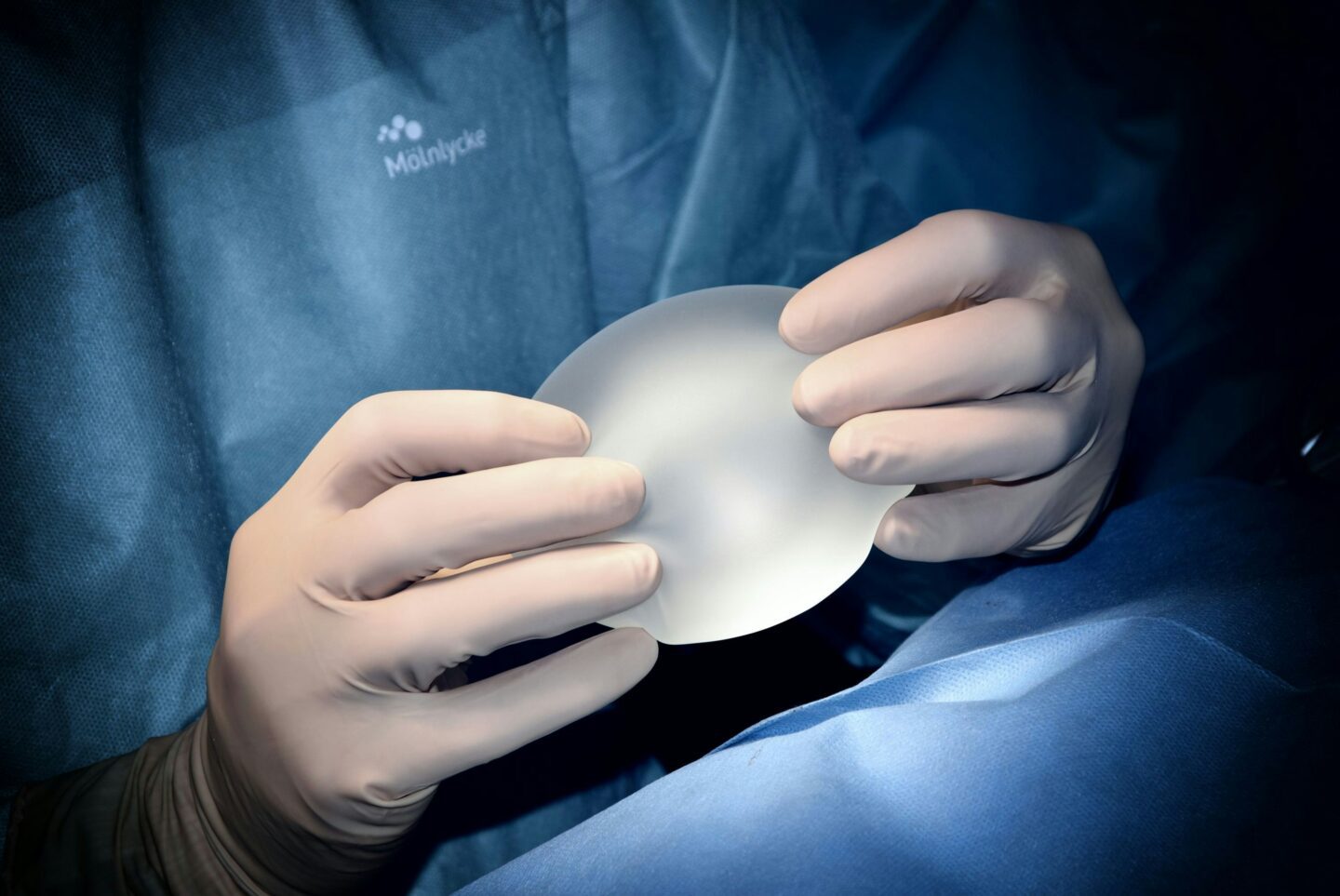
Over the years, cosmetic surgery has gotten increasingly more affordable and approachable. Options that were once limited to celebrities and the rich are now open to a far wider demographic than before.
In 2024, Americans had about 1.6 million cosmetic surgical procedures, according to the American Society of Plastic Surgeons. These included both surgical and minimally invasive ones. The two most popular cosmetic procedures were liposuction and breast augmentation.
When you see how common plastic surgery has become, it’s natural to assume that the risks must be minimal. While the percentage of risk may be low, it still exists. Think about it, even if a procedure has a 1% risk, if 1 million people go under the knife, 10,000 people might have problems. If that raises your eyebrows, then read on.
Liposuction and the Problem of Unpredictable Results
Liposuction is often presented as straightforward body contouring, almost like targeted sculpting. The language used around it makes it feel extremely controlled and precise. They make it seem that unwanted fat can simply be removed and everything will settle neatly into place. Yet the outcomes are more dependent on your individual tissue response than most consultations emphasize.
A large scientific review looked at nearly 30,000 liposuction patients and found that about 2.6% experienced complications after the procedure. Contour deformities ended up being the most common complication at roughly 2.35%.
A contour deformity may not sound dramatic at first, but it directly affects the reason you had the surgery in the first place. Uneven fat removal can leave visible dips, ripples, or asymmetry. What’s more, swelling can hide irregularities for months, which means you may not even know the true result until well after recovery.
Revision procedures are possible, but they bring added cost, new recovery time, and their own risks. For many who go in expecting an improvement, a small statistical complication rate can make them even regret the procedure.
Breast Augmentation Technique and Long-Term Consequences
Breast augmentation remains one of the most requested cosmetic procedures, and patients often focus on implant size and shape. What receives less attention is the technical decision of where and how the implant is placed. These factors alone can influence complication risk for years.
A 2024 review reported that the incidence rate of capsular contracture after augmentation ranged as widely as 0.6% to 17.4%. This depended on where and how the implant was placed, showing how surgical technique affects risk. Subglandular placements had the highest risk compared to submuscular implants.
Capsular contracture involves the tightening of scar tissue around the implant, which can cause firmness, distortion, and discomfort. In some cases, corrective surgery becomes necessary.
In more complex cases, additional materials such as surgical mesh may be used to provide support. As TorHoerman Law notes, these are now used in some reconstruction, augmentation, and lift procedures.
Unfortunately, infection, skin necrosis, and pain have also been reported as side effects. This is causing some individuals to pursue legal action, and breast mesh lawsuit cases are being filed at cosmetic clinics. Thus, you can see how intervention type, technique, and individual healing all change how risky a procedure is.
Combining Procedures and the Compounded Stress on the Body
There is a growing appeal to combining cosmetic procedures into one surgical session. From a practical standpoint, it can seem efficient. You benefit from having only one anesthesia event, recovery period, and limited time away from work.
However, mixed cosmetic procedures carry a higher overall risk of complications. In a study of combined cosmetic surgeries, such as abdominoplasty paired with liposuction or other procedures, the overall complication rate was 7.9%. This was significantly higher than with single surgeries alone, with infections occurring in 28.3% of those complications.
This is potentially due to the increased surgical time and tissue trauma when multiple areas of the body are operated on at once. The immune system has to manage more healing simultaneously. As a result, blood loss, fluid shifts, and inflammation are not isolated to one site.
Essentially, the desire to streamline recovery can unintentionally raise the physical burden placed on your body. Understanding that tradeoff is essential before deciding to combine surgeries.
Frequently Asked Questions
1. How often do people need revision surgery after cosmetic procedures?
It depends heavily on the procedure, the surgeon, and how your body heals. Some surgeries, especially implant-based ones, have measurable long-term revision rates due to shifting, scarring, or dissatisfaction with results. While many people never need corrections, a noticeable percentage eventually return for adjustments or fixes.
2. What factors increase the chance of complications after cosmetic surgery?
Your overall health plays a big role. Smoking, diabetes, obesity, and certain medications can slow healing and increase infection risk. Longer surgeries or combining multiple procedures can also raise complication rates. Even skin quality and genetics affect how well your body recovers and how scars form.
3. Is a second opinion recommended before elective cosmetic surgery?
Yes, especially if the procedure involves implants, mesh, or multiple surgeries at once. A second opinion can help you compare techniques, understand long-term risks, and feel more confident about your decision. When surgery is elective, taking extra time to evaluate options is usually wise.
All things considered, cosmetic surgery today is sophisticated, widely available, and often transformative. Yet the numbers behind it reveal that risk is never fully removed, only managed.
If you are considering surgery, the most valuable questions are not just about appearance. Ask about technique differences, long-term complication rates, and what happens if revision becomes necessary. Cosmetic enhancement can be empowering, but it deserves the same level of scrutiny you would apply to any other medical decision.
Related Articles:
– Coconut as a Natural Alternative to Silicones in Cosmetics
– Married Life 101: Tips for Getting Ready for Your Wedding Drill and Beyond
– Fresh and Innovative Wedding Ideas
– 8 Money Mistakes to Avoid as Newlyweds
– The Most Popular Wedding Flowers and Their Meanings
– The Best Wedding Guest Dresses for Dancing the Night Away